Boho Wedding Inspiration – Creating a Dreamy Boho Wedding
Explore our guide to making your wedding the boho celebration of your dreams, covering everything from floral arrangements to fashion.
Witches & Wizards Week – October Half-Term Events
Getting here – free parking for visitors

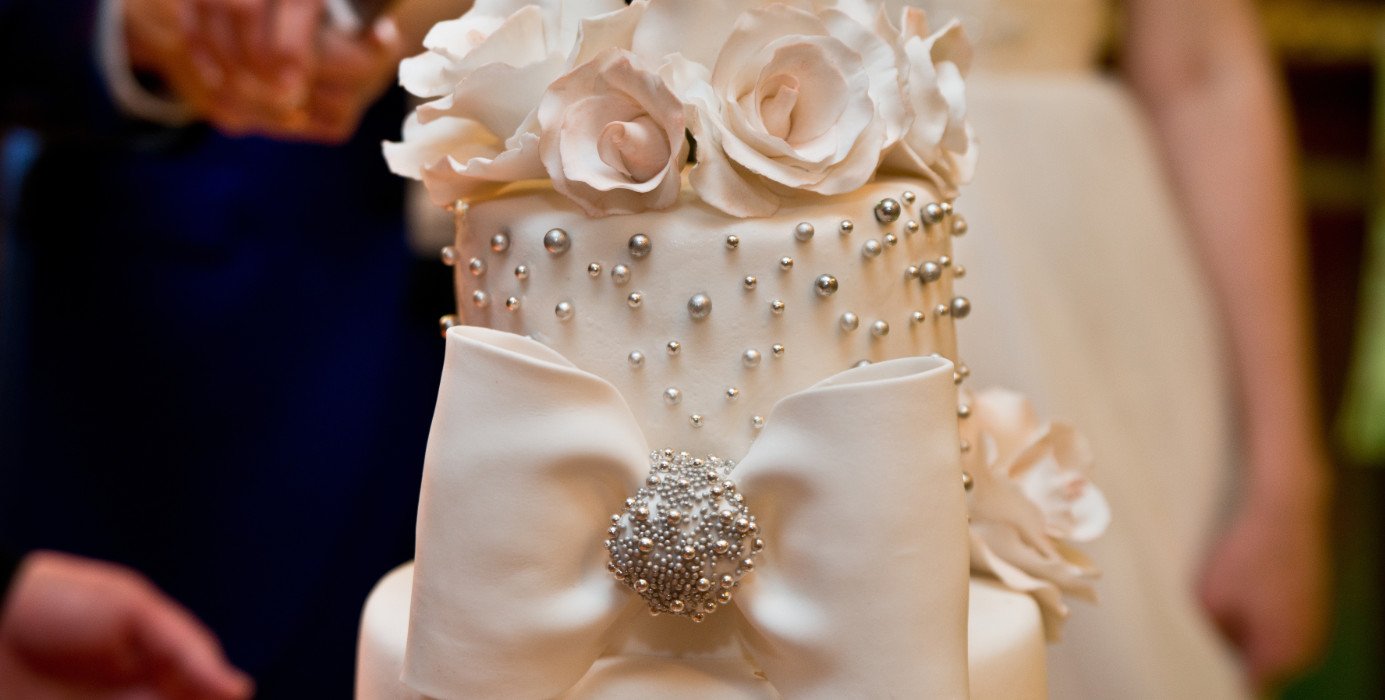
The ceremonial cutting of the cake is a special moment in many weddings. It may only last a few minutes, but it creates a memorable photograph and a natural pause in the celebrations – one of those ‘everyone gathers in’ moments.
The cake-cutting tradition remains a popular photo opportunity, but couples now have more choice in how they serve the cake. Many want a beautiful statement cake and a plan that works for their guest numbers and dietary requirements. That’s why some choose a fake wedding cake (also called a dummy or faux cake), paired with a real cutting tier or a separate kitchen cake served to guests.
Read on as we explain what a fake wedding cake actually is, why couples choose it, and how to decide if it suits your wedding day without compromising the cake-cutting moment or your guests’ experience.
A fake wedding cake (often called a dummy cake or display cake) is a cake designed to look like a real tiered wedding cake, but with some, or all, tiers made from non-edible materials.
Most fake wedding cakes are made from decorated polystyrene tiers covered in either fake or real icing, with fondant or buttercream-style finishes so they photograph beautifully and match your design perfectly.
There are a few standard formats:
Real cake and dummy tiers – one tier (often the bottom or middle) is real and made for cutting, while other tiers are dummy tiers for height and design impact.
Fully fake display cake – all visible tiers are dummy tiers, and you cut a hidden ‘insert’ slice for the photos.
Display cake and kitchen cake – guests are served slices from a separate cake prepared in the kitchen, often called a kitchen cake, sheet cake, or party cake, made in your chosen flavours and portioned for efficient service.
Whatever format you choose, the outcome is the same – the cake on display creates the wow, and your guests still get a slice of delicious cake.
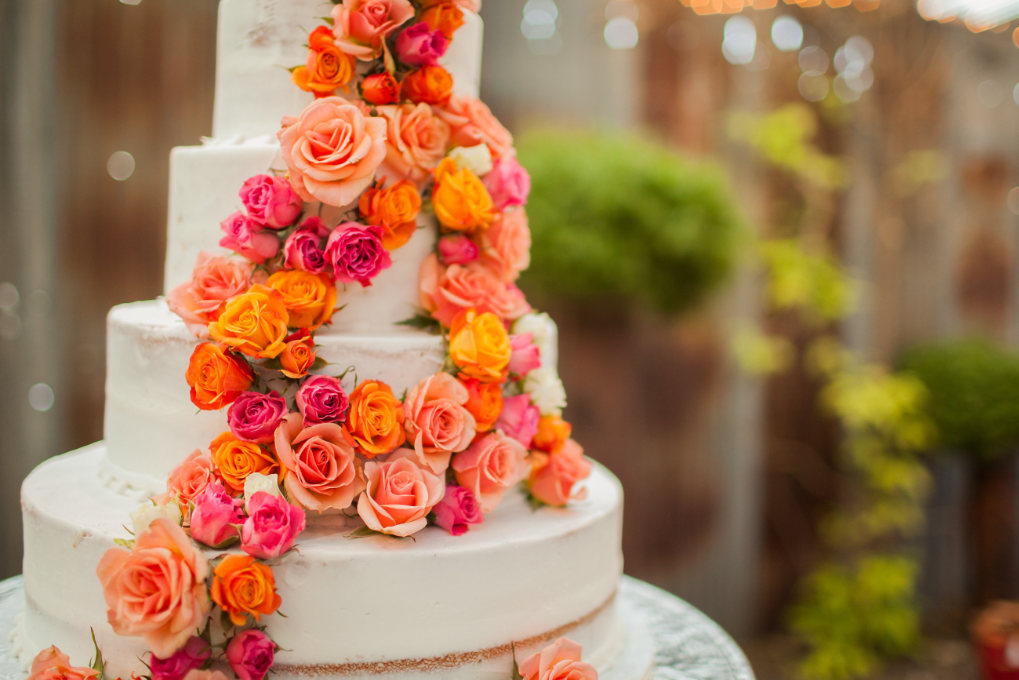
Couples don’t choose dummy wedding cakes to cheat on the day. They choose them because there are many elements in making a successful wedding, and the cake is one of those details where smart planning can really pay off.
A fake wedding cake can offer visual impact while keeping service practical and portions flexible. It can also help to reduce waste, support a broader range of dietary requirements or flavour preferences through separate kitchen cakes, and provide a reliable finish for photographs, particularly in warm conditions or under intense lighting.
However, it does require careful coordination between your cake maker, caterer, and venue team to avoid confusion.
Additional elements such as a cutting tier, kitchen cakes, or specialist decoration could increase costs if they are not planned from the outset.
A smooth ‘cake moment’ on your wedding day is all in the choreography. For an elegant photo opportunity and guest experience, consider the following.
Position the cake where guests can gather comfortably, and photographers have clear angles. You may decide to display it on a table or pedestal, but ensure your choice is stable and level.
For extra theatre, you could bathe your wedding cake in a soft spotlight or candlelight to add impact.
If you have a real cake tier, your cake maker can advise the exact tier to cut and the best angles for photos.
Alternatively, they might create a discreet cuttable insert for the ceremonial slice. Discuss which will look most natural in photos.
Your kitchen cakes will need to be stored in a cool, appropriate space until they are ready to be served. Discuss your plans with your venue team and caterer to decide where the best place will be.
A simple announcement for the cake cut is usually sufficient. There is no need to cut more than one slice or explain, as most guests simply enjoy the moment and the cake they’re served.
Your catering team will slice the kitchen cakes into portions out of sight of your guests and address any dietary or allergy requirements accordingly.
Depending on your wedding style and timeline, you could choose to have slices served to guests at their tables or to present them at a cake station or a buffet.
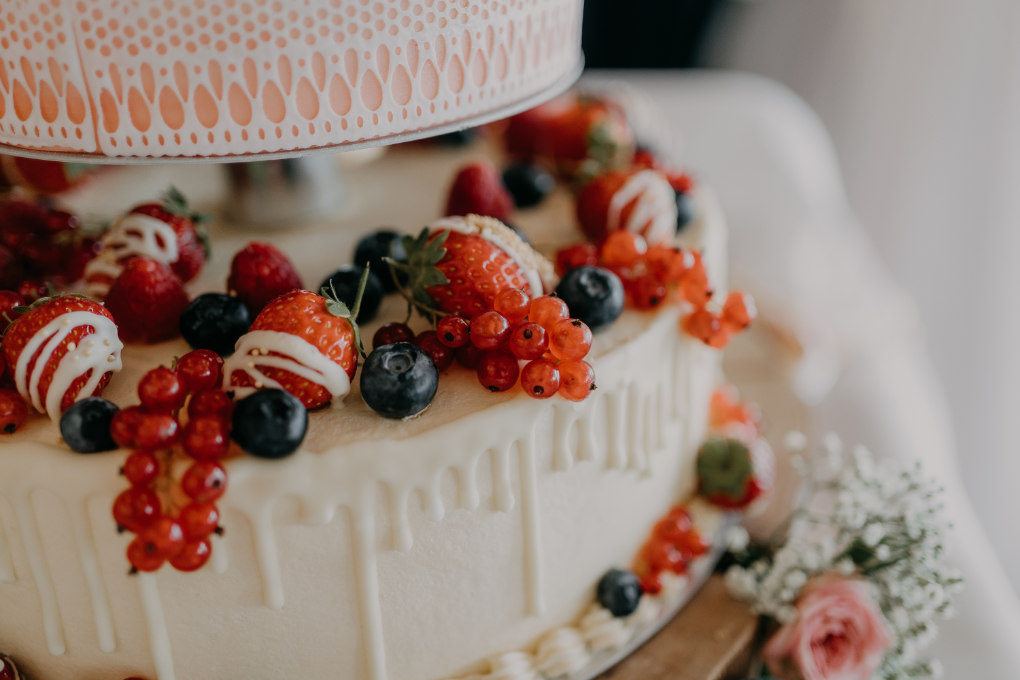
Most guests care about the moment itself and the quality of the cake they are served, and there is rarely a need to draw attention to the use of dummy tiers.
If service is timely, the display looks beautiful, and the cake tastes delicious, whether the tiers are entirely edible or partly decorative is unlikely to be of concern. The priority is to keep the focus on you as a couple and on your guests’ enjoyment.
A dummy or mixed cake may suit you if:
You may decide a fake wedding cake is not needed if:
To ensure the cake moment runs smoothly, it is wise to confirm the practical details in advance with your venue, caterer, and cake maker.
Ask your venue where the cake should be displayed for optimal lighting and guest flow, whether a cool, secure storage space is available for the kitchen cake, and whether there are any requirements regarding knives, surfaces, or timing.
Ask your caterer who will slice and serve the cake, where it will be served, and how dietary requirements and allergies will be managed.
Your cake maker will confirm which parts of the cake are edible and where the knife should be placed for the ceremonial cut, particularly if the tier is partly decorative. They can also advise on how the cake will be transported and assembled, and how any saved tier or boxed slices should be stored.
Read our guide on how to plan a wedding.
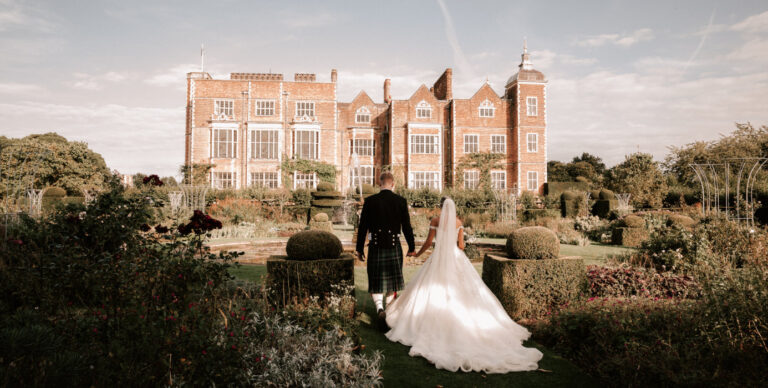
If you are planning your wedding at Hatfield Park, our experienced team is here to help. We collaborate with an extensive range of trusted wedding suppliers, offering you a wide range of options to tailor the details of your special day.
Contact our wedding team to explore weddings at Hatfield Park, or download our wedding brochure.
Be inspired to host your wedding at Hatfield Park
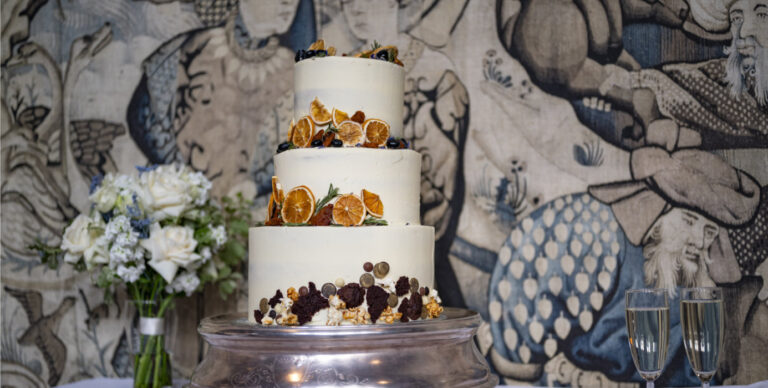
Our experienced team are looking forward
to helping you plan your wedding day.
Email events@hatfieldpark.co.uk or
call 01707 287 003 (9am to 5pm).
THEA & DAVID SMITH