A Complete Guide to Wedding Photography Styles
Explore popular wedding photography styles, from documentary and classic to editorial, fine art, and film, and choose the right photographer.
Witches & Wizards Week – October Half-Term Events
Getting here – free parking for visitors

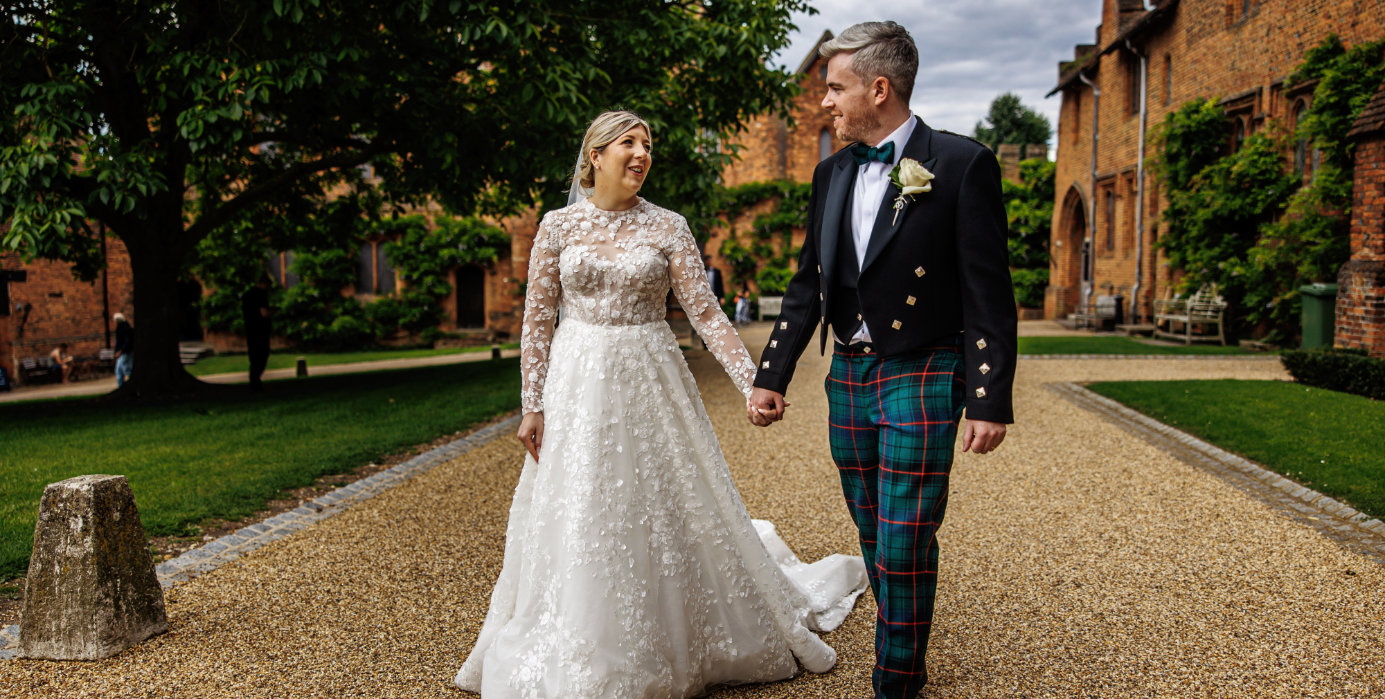
Weddings are beautiful celebrations that bring together your closest friends and family, marking one of the most significant days of your life.
Understanding the roles and responsibilities within your wedding party early in the planning process can help ensure everything goes smoothly on your special day.
Today, many weddings mix old traditions with personal touches. Some roles are still traditional, but others have changed to be more inclusive and flexible, matching modern values.
We’ll explore new approaches as well as the key roles typically found in more traditional weddings, where preferences and customs vary widely. For instance, Jewish weddings may feature roles like the Ketubah witnesses or Chuppah holders, whereas South Asian weddings often involve extended family in ceremonies such as the Mehndi or Baraat.
Regardless of cultural background, most weddings are united by a common thread: loved ones coming together to help make your day unforgettable.
Photograph courtesy of Rafe Abrook Wedding Photography
Many couples today are choosing to do things their own way, rather than sticking to old traditions. They want their wedding to match who they are and what they believe in.
Here are some examples of how couples are making their weddings more modern and flexible:
The key is to make sure everyone understands their role and responsibilities, so they can contribute confidently.
Planning a relaxed, free-spirited celebration? Read our guide to creating a boho wedding.
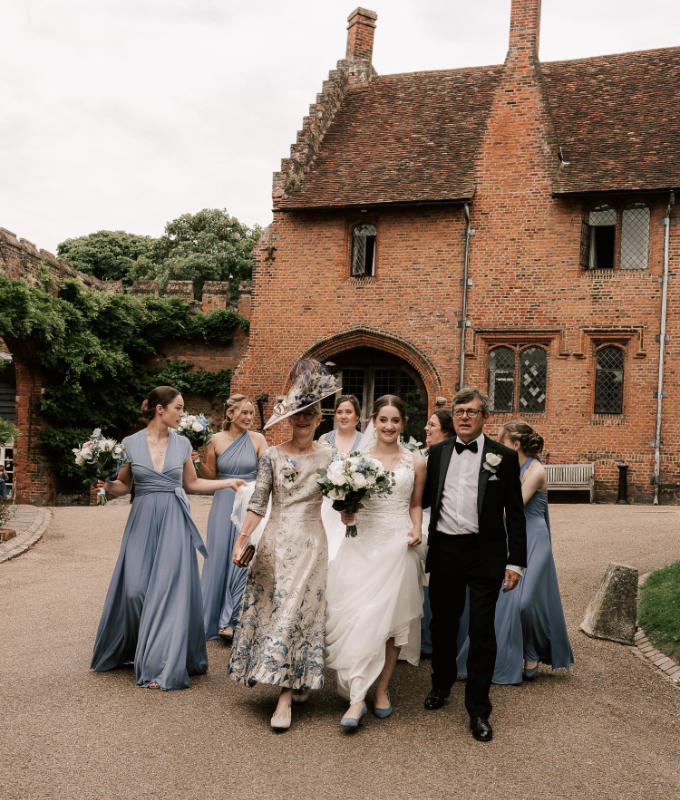
These roles are generally found in traditional weddings, although couples often personalise their approach.
While your support network plays a significant role, much of the decision-making rests with the wedding couple themselves.
Main responsibilities:
Couples can divide tasks based on what each person is good at or enjoys – whether that’s budgeting, organising the wedding party, or designing the perfect flower arrangements.
Your wedding party is your closest group of friends and family – the people who offer practical and emotional support, and stand by your side on your wedding day.
Maid/Matron of Honour or Chief Bridesmaid
The maid of honour is usually the lead support for the bride and bridal party.
Main responsibilities:
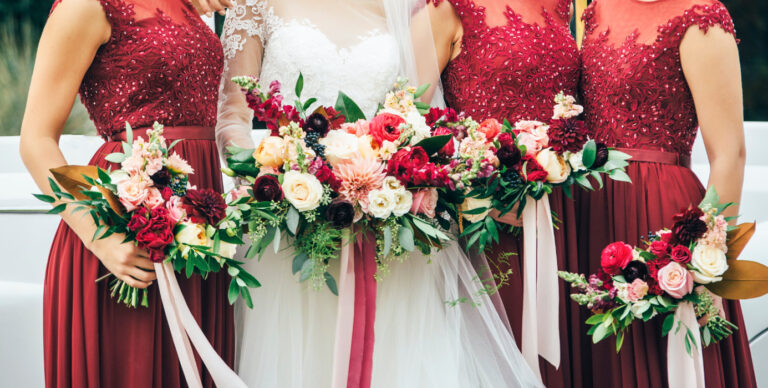
Bridesmaids
Chosen by the bride, bridesmaids offer support before and during the wedding.
Main responsibilities:
Best Man
The best man is traditionally the groom’s right-hand man, standing by his side throughout the wedding.
Main responsibilities:
Groomsmen
The groomsmen typically help to keep things running smoothly on the wedding day.
Main responsibilities:
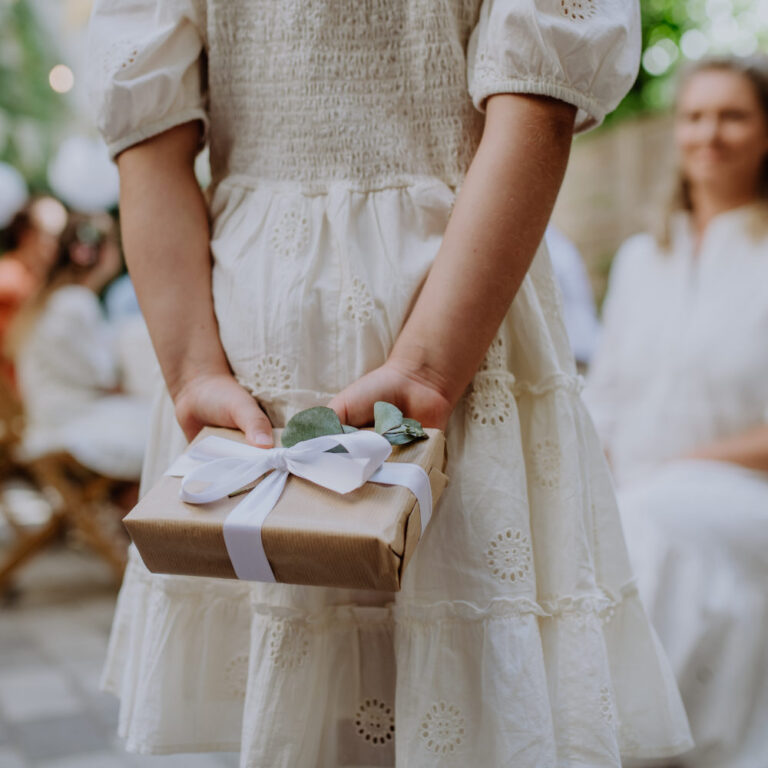
Flower Girls and Page Boys
These younger members of the bridal party take part in the wedding ceremony.
Typical duties:
Some couples invite their own children, nieces and nephews, godchildren, or friends’ children, while others prefer to skip this role entirely.
Parents also have traditional roles in the celebration, but expectations vary depending on family dynamics.
Traditionally, the bride’s parents, including the mother, are considered hosts of the wedding. They welcome guests and ensure that everyone has a good time.
Mother of the Bride
The mother of the bride typically provides practical and emotional support to the bride.
Her duties often include:
Father of the Bride
The father of the bride also typically plays a key role in a wedding. Here are some of the ways he might contribute:
Parents of the Groom
The groom’s mother also plays an integral role in welcoming guests and supporting the couple. Her responsibilities may vary based on the couple’s preferences, from hosting duties to offering planning support as needed.
Like the father of the bride, the father of the groom also supports the couple throughout the day and helps with practicalities.
The parents of the groom may have designated roles during the ceremony, such as participating in a special cultural or religious tradition.
They might also assist with logistics on the wedding day, such as coordinating transportation or managing timelines.
The parents of both the bride and groom might also help to coordinate the wedding photographer on the wedding day, along with the assistance of the best man. For instance, they might help to gather family members for group photos, ensuring that everyone needed for a particular shot is present and ready.
Not all roles need to be filled, but they can add meaningful structure to your celebration.
Master of Ceremonies
The master of ceremonies (MC), or toastmaster, helps to ensure that a wedding goes seamlessly. The best man sometimes takes on this role, assisted by the groomsmen.
Their responsibilities can include keeping events on schedule, announcing key moments, such as the couple’s first dance or the beginning of speeches, and guiding guests through the day’s events
Readers
A reader delivers selected readings that are significant to the couple during the ceremony. Consider choosing loved ones who are confident in speaking in front of a crowd and who connect with the reading’s meaning.
Readings often include religious texts, such as excerpts from the Bible, meaningful poems, and non-religious readings about love, such as Shakespeare’s Sonnet 116.
Witnesses
Witnesses play a legal role in the wedding celebration, signing the marriage register and being legally present at the ceremony. Being a witness is typically considered a special honour, and couples generally pick trusted friends or family members.
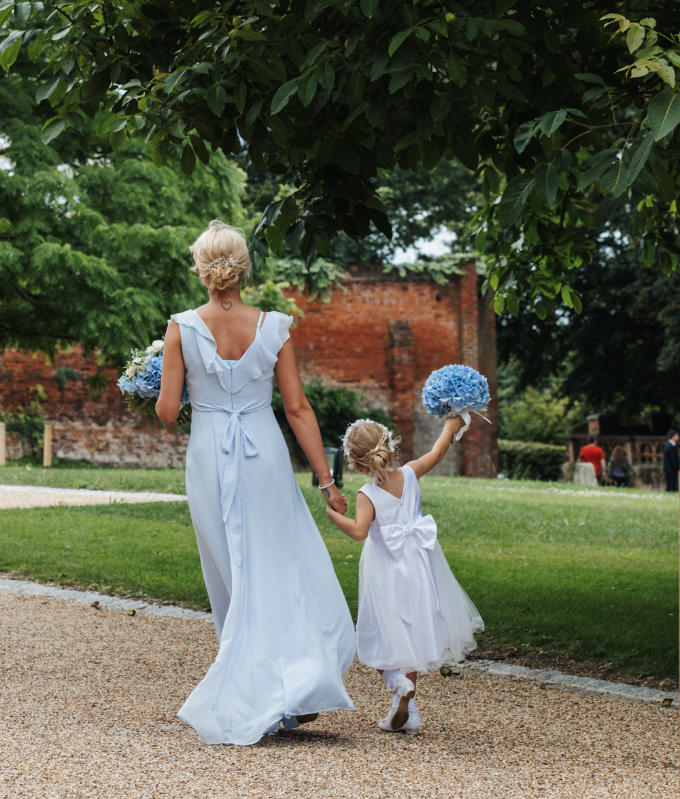
Picking who does what at your wedding can be exciting, but also a bit stressful. Here are some tips that can help:
There’s no right or wrong way to assign wedding roles. What matters is that it feels right for you. Once you’ve chosen everyone’s roles, you can focus on other fun parts of planning your wedding, like picking and decorating the venue.
At Hatfield Park, you can explore a variety of spaces that suit your wedding needs, from the historic Old Palace to the more modern Riding School and stunning parkland.
Discover how Hatfield Park could be your perfect wedding venue.
For more inspiration, explore our venue gallery and download our events brochure to discover all the wedding features and services we provide. Contact us today to enquire for further details.
Be inspired to host your wedding at Hatfield Park
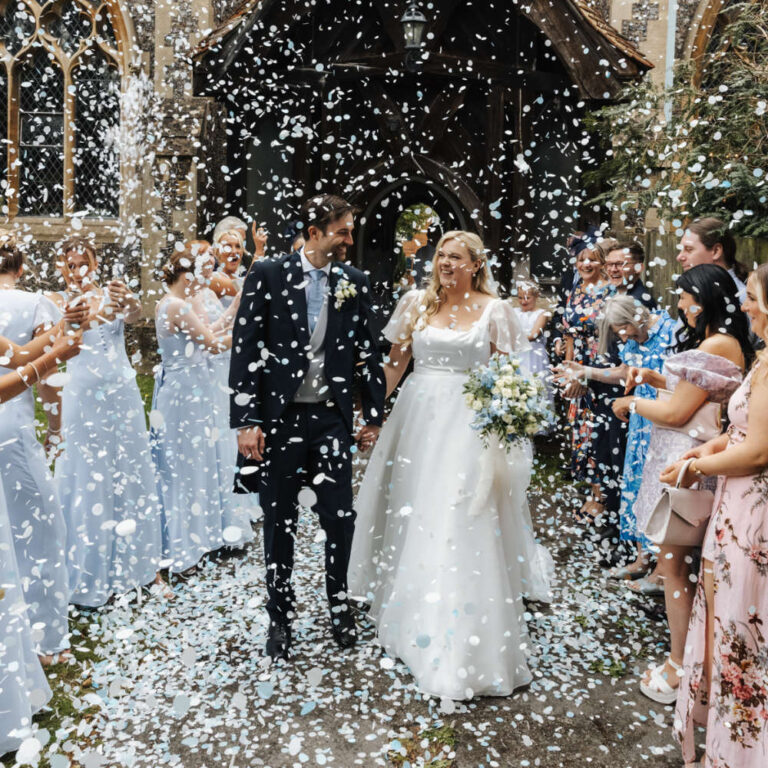
Our experienced team are looking forward
to helping you plan your wedding day.
Email events@hatfieldpark.co.uk or
call 01707 287 003 (9am to 5pm).
THEA & DAVID SMITH