Explore the Park
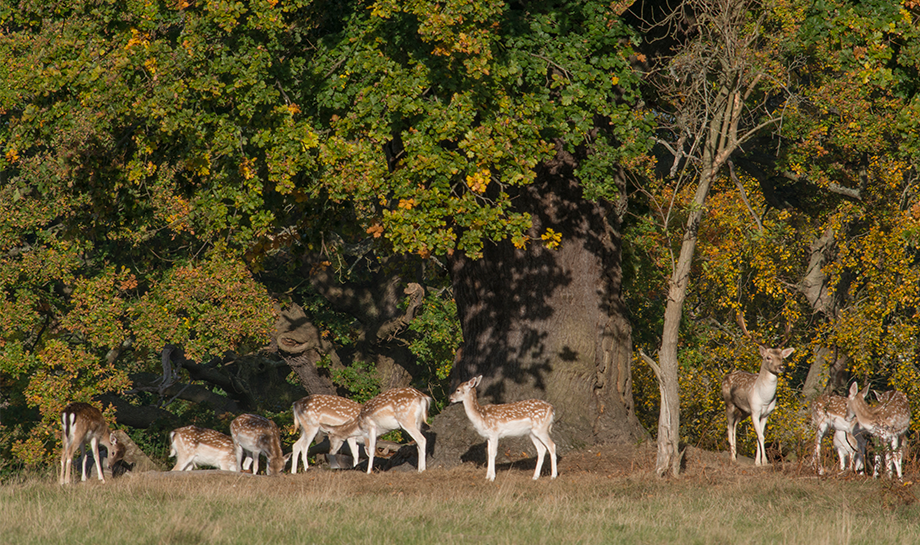
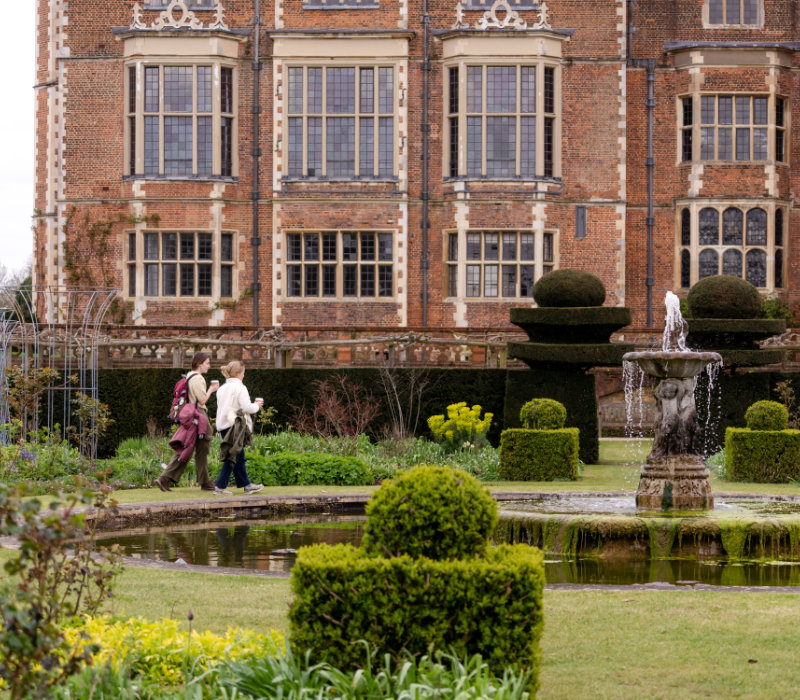
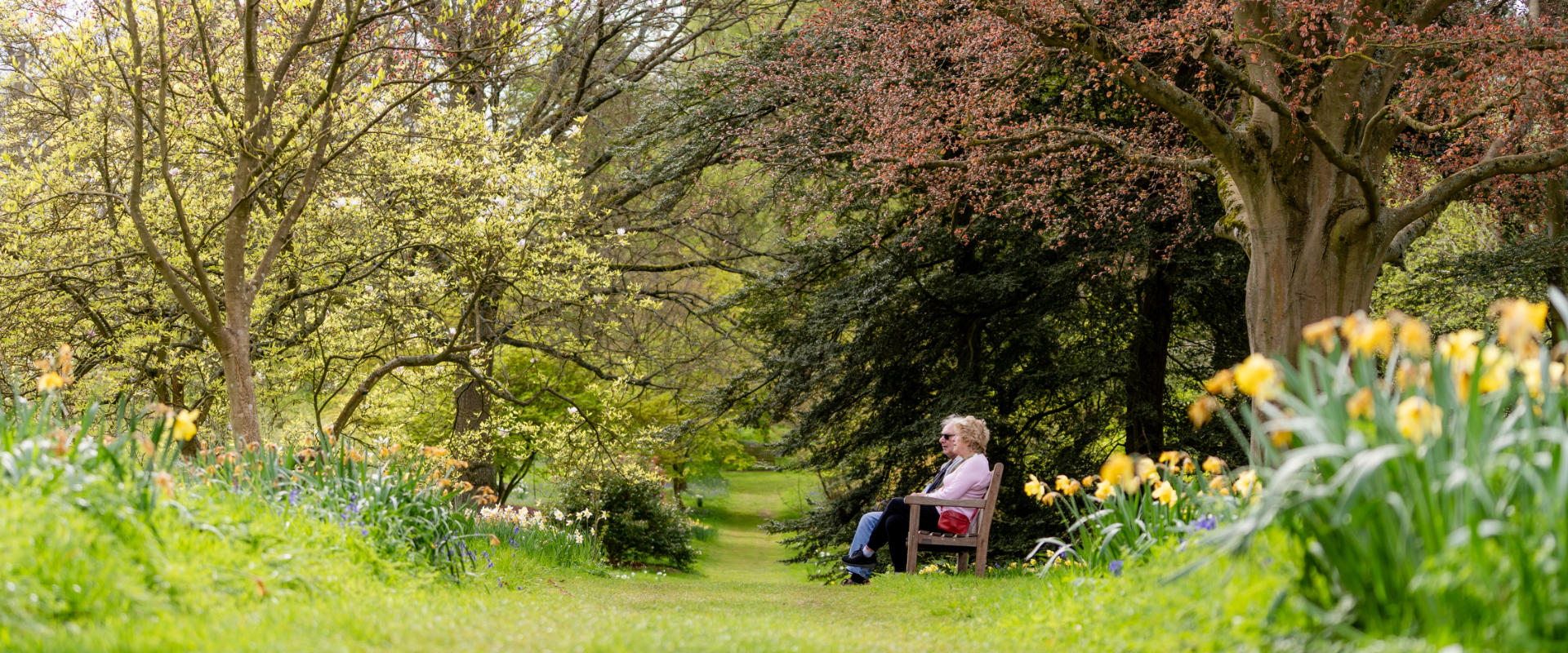
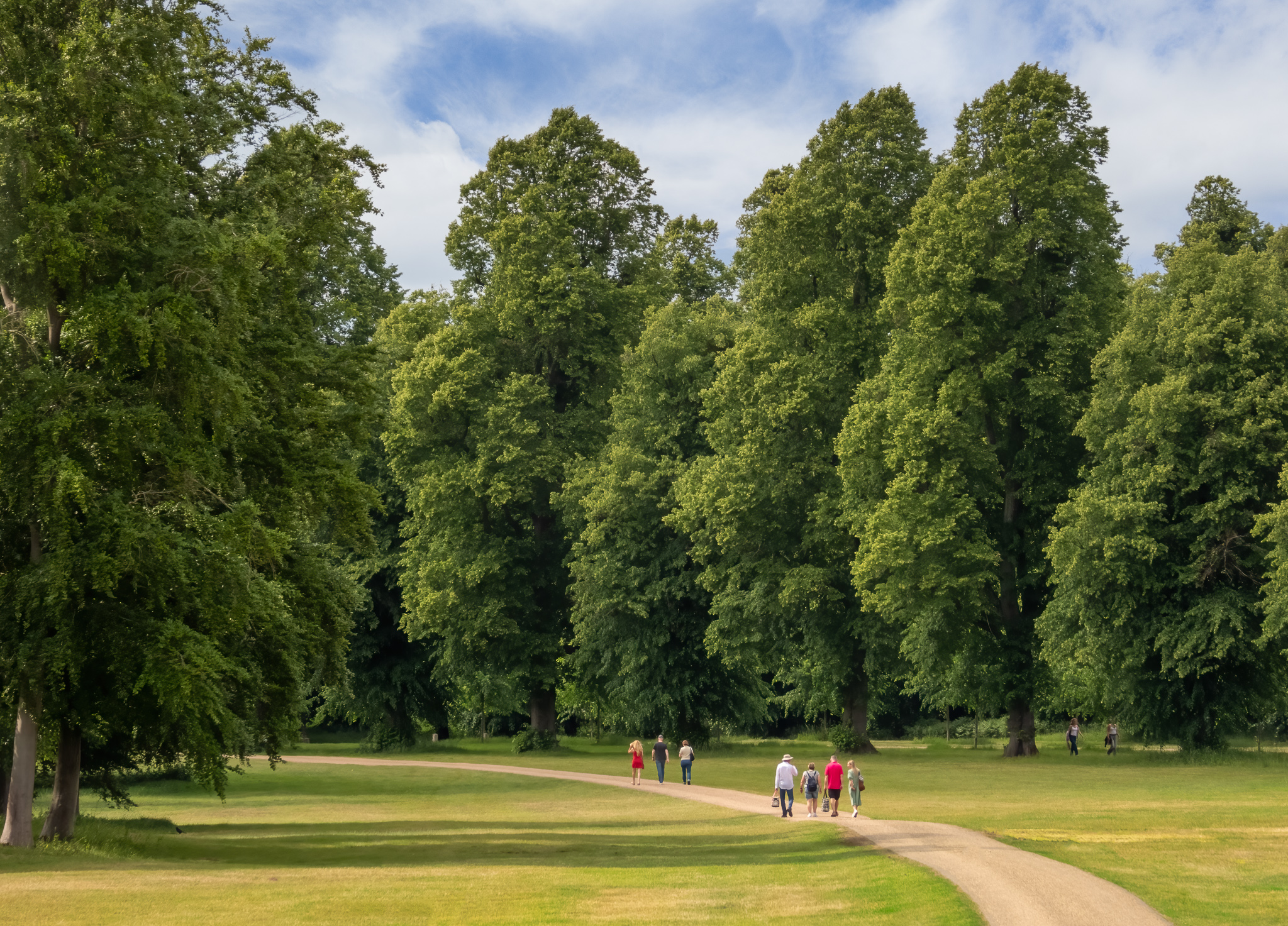
Hatfield House forms the centrepiece of the largest estate in Hertfordshire, with the woodlands and meadows covering an extensive spread across the county.
Veteran Trees
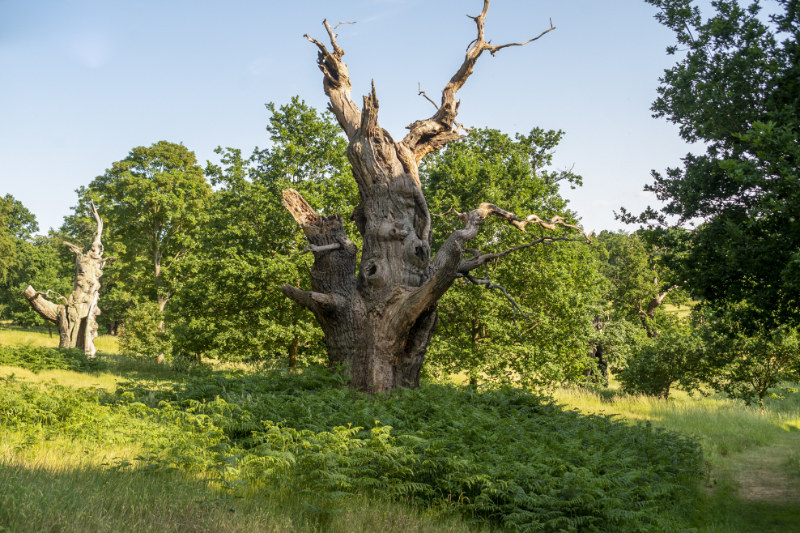
In the Park, an ancient oak tree marks the place where the young Princess Elizabeth is believed to have first heard of her accession to the throne.
Veteran Trees
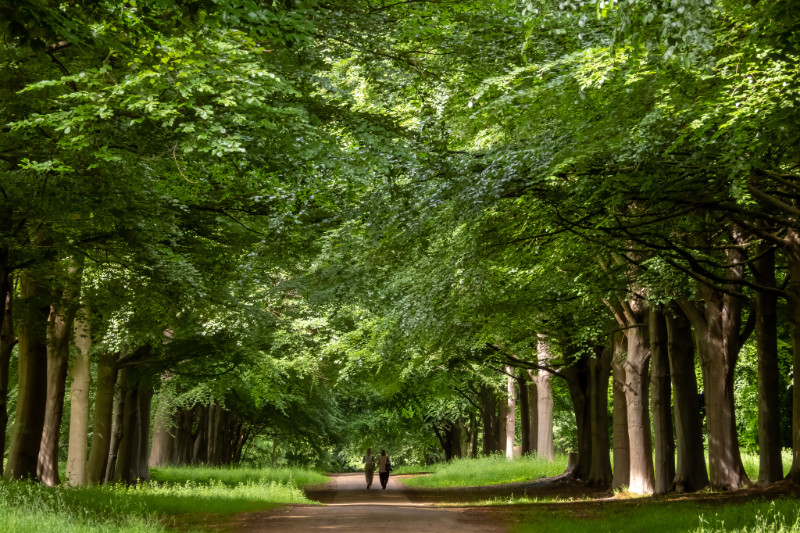
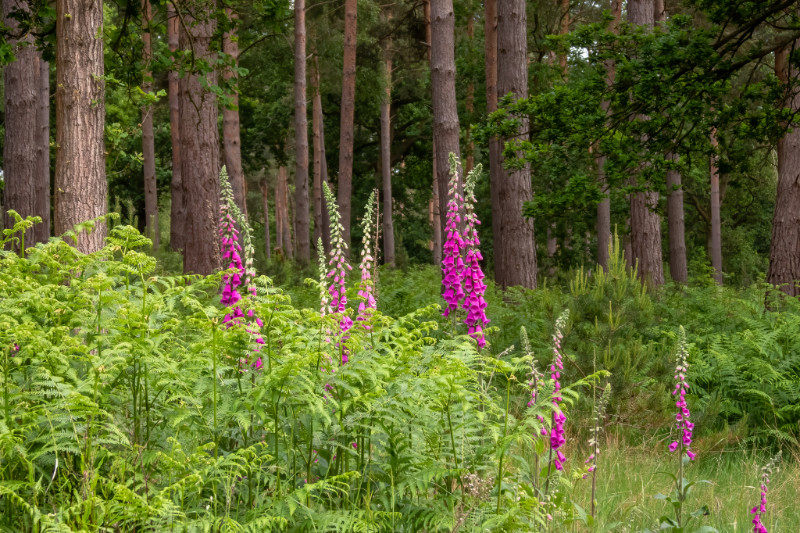
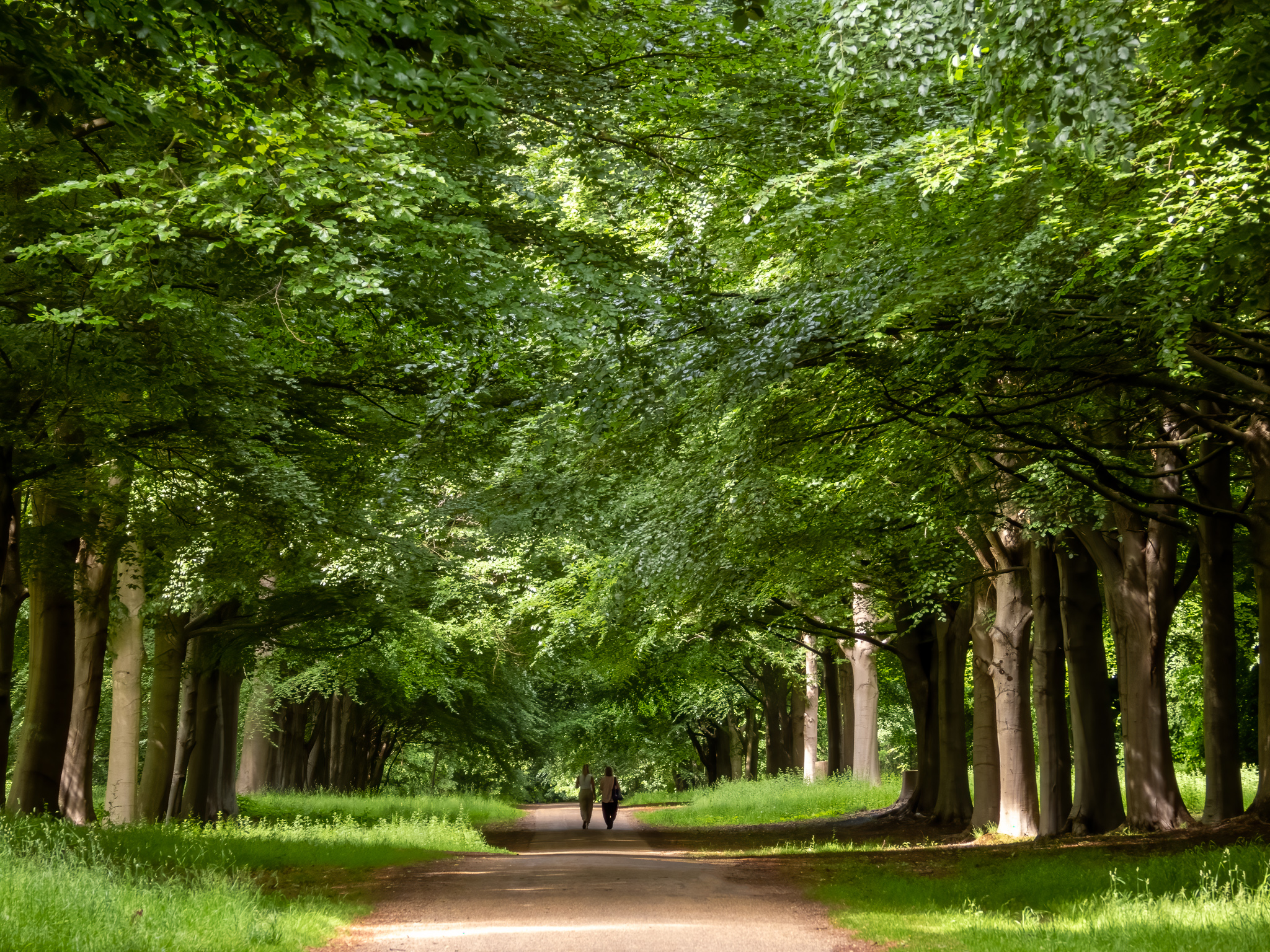
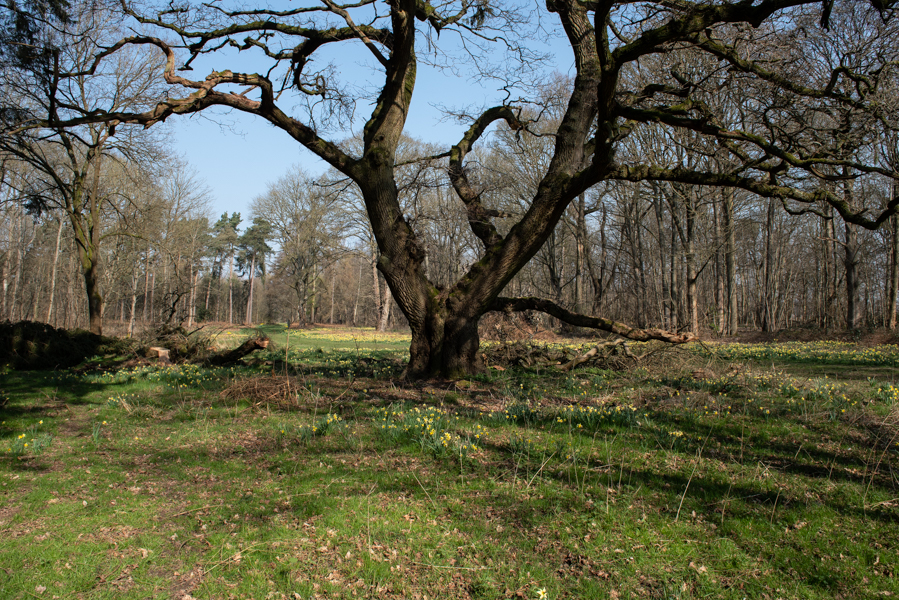
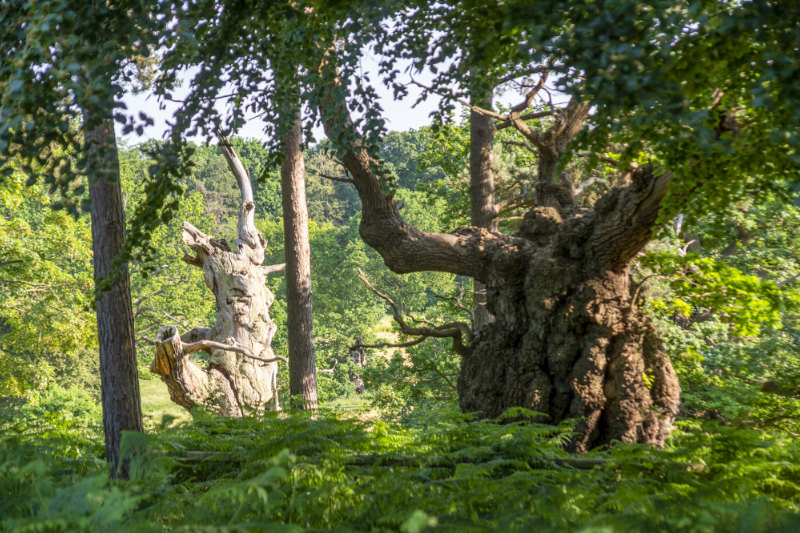
Visitors can enjoy extensive walks in the Park with woodland trails and a wonderful spring bluebell display. The medieval parkland of Hatfield Park is one of the few remaining sites in the country where a wood-pasture land management system is still evident. Wood pasture is best defined as a land-use system that combines trees and grazing animals. The trees in this historic environment have been actively managed over the centuries to provide bark for tanning leather, wood for fuel and building and foodstuffs for animals in the form of acorns and foliage. Managing the trees in this way was known as pollarding.
A pollarded tree is hard pruned above the grazing line so that the branch wood timber can be utilised. Livestock could feed on the pasture below without browsing the new regrowth on the tree. This system allows the pollarded tree to continue re-rejuvenating, and this extends the life of a tree far beyond its normal life span.
An ancient pollard often provides a habitat for a host of other organisms. They are a tactile, tangible link to our past and have been venerated for centuries.
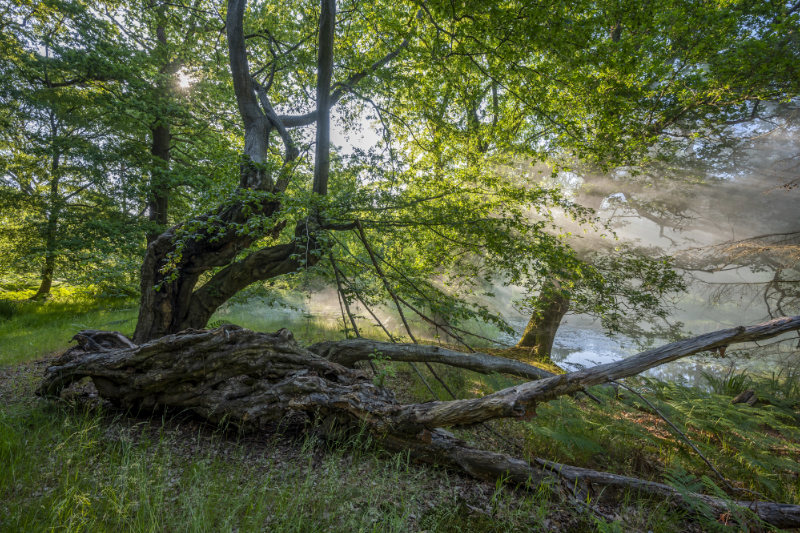
In the Park there are some hugely imposing oak, hornbeam and beech pollards to be found. We take great pride in this natural heritage and have a policy of encouraging natural regeneration from these trees and creating new pollards for future generations to appreciate. Some of these ancient trees can be seen by following the longest route of the three nature trails.
This system of management has, over the centuries, created a diverse habit for wildlife.
Gallery

DISCOVER
Explore nearby