Nature & Conservation
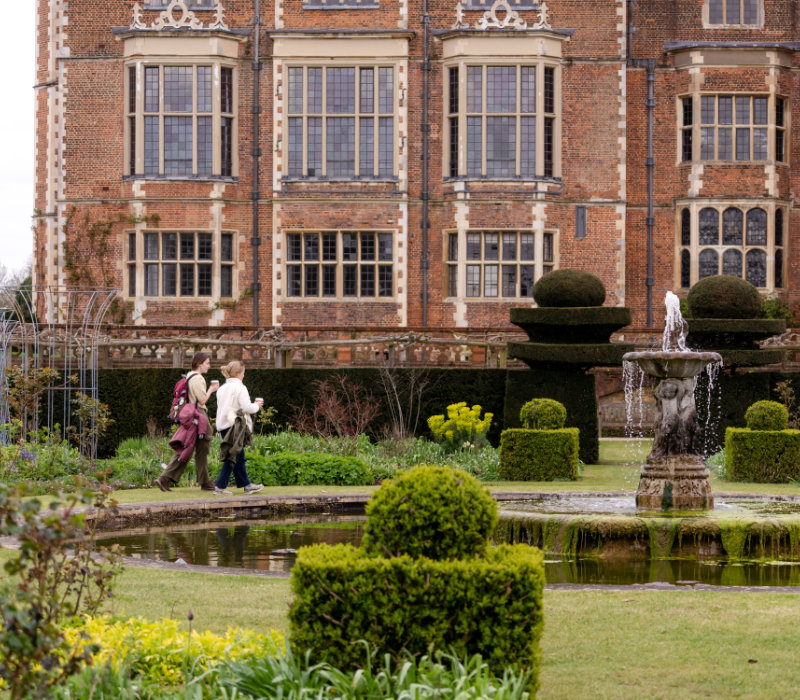
Hatfield Park comprises historic parkland, woodland, farmland and gardens, and stretches of the River Lea.
IMPROVEMENT PROGRAMME
Our approach
Our nature improvement programme helps create and protect areas where wildlife can thrive across the Estate.
Conservation Policy
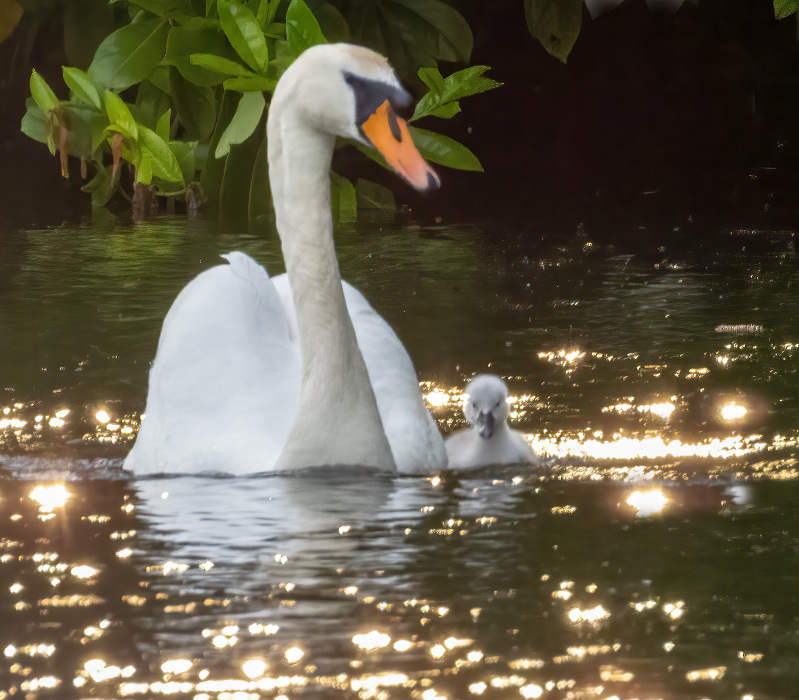
Hatfield Park is actively committed to long term wildlife habitat management. The wide variety of wildlife on the Estate is regularly monitored by a co-ordinated team of specialists covering birds, bats, mammals, invertebrate, fungi and other species.
Our farmland areas are part of the Defra Countryside Stewardship scheme which provides a great boost to all farmland birds, especially yellow hammer, skylark, grey partridge, corn bunting, lapwing and tree sparrow. We have an active hedge replanting and upkeep scheme and maintain field headlands and margins for the benefit of wildlife.
Within the Park there are designated non-intervention areas, set aside for the benefit of wildlife. The Estate has worked with partners in the development of the Hertfordshire Local Nature Recovery Strategy, and is the Lead Partner in the Hertfordshire Nature Partnership. Areas of woodlands, glades and rides are specifically managed to enhance diversity. Dead wood, both standing and fallen is encouraged because of the important habitat it provides for fungi and invertebrates, who in turn support woodpecker, tree creeper, badger and other associated species.
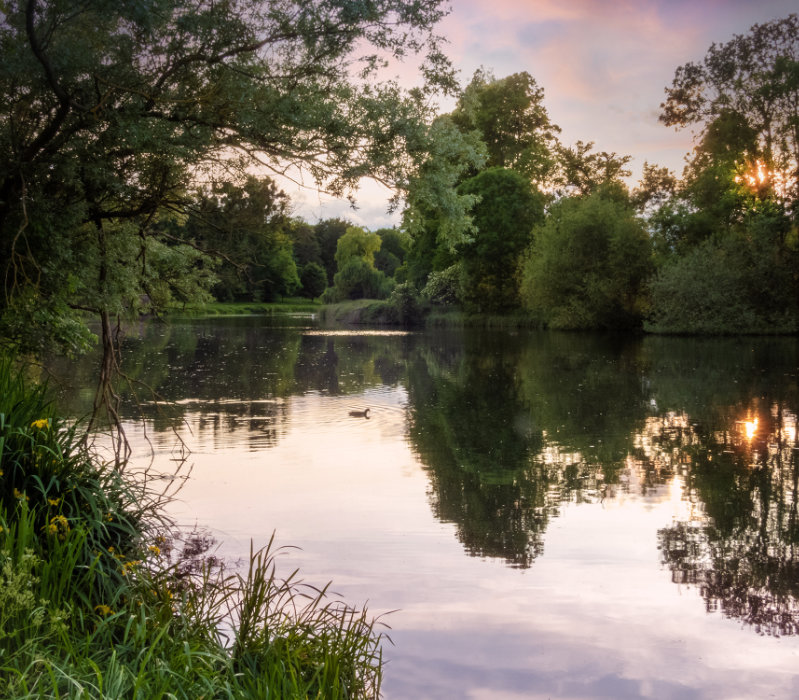
The River Lea, one of Hertfordshire’s chalk streams, flows through the Estate. The health of our rivers is important to us, and we are exploring river restoration options along several kilometres of the Lea. Over time, we hope our approach will support increasing populations of water voles, otters, kingfishers and breeding fish.
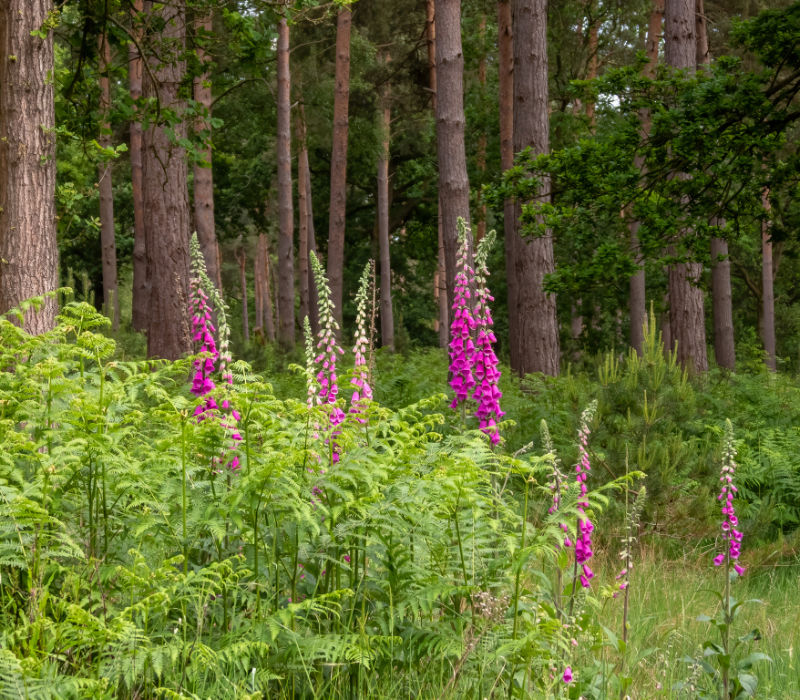
NATURAL SPACES
A diverse landscape
Set within this historic landscape, Hatfield Park is home to a flourishing variety of wildlife and natural habitats. The aim is to further enhance the welcoming and diverse natural environment that visitors can experience and enjoy throughout the year.
Through 2% For Nature, 2% of every general admission ticket supports the care and improvement of the natural spaces visitors enjoy across Hatfield Park.
The Estate also supports beekeeping at Hatfield Park, with hives across three different sites around the Park.
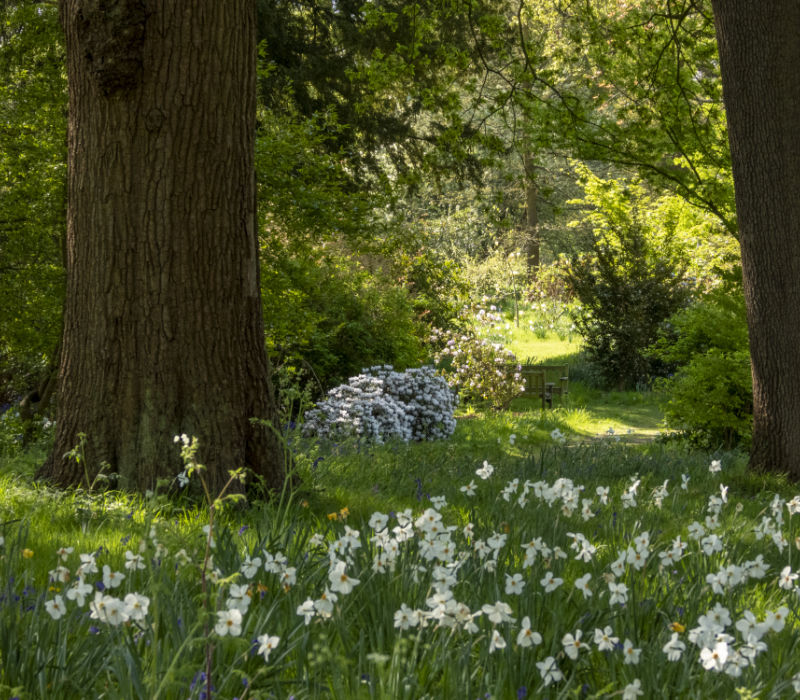
HABITATS
Improvement
& restoration
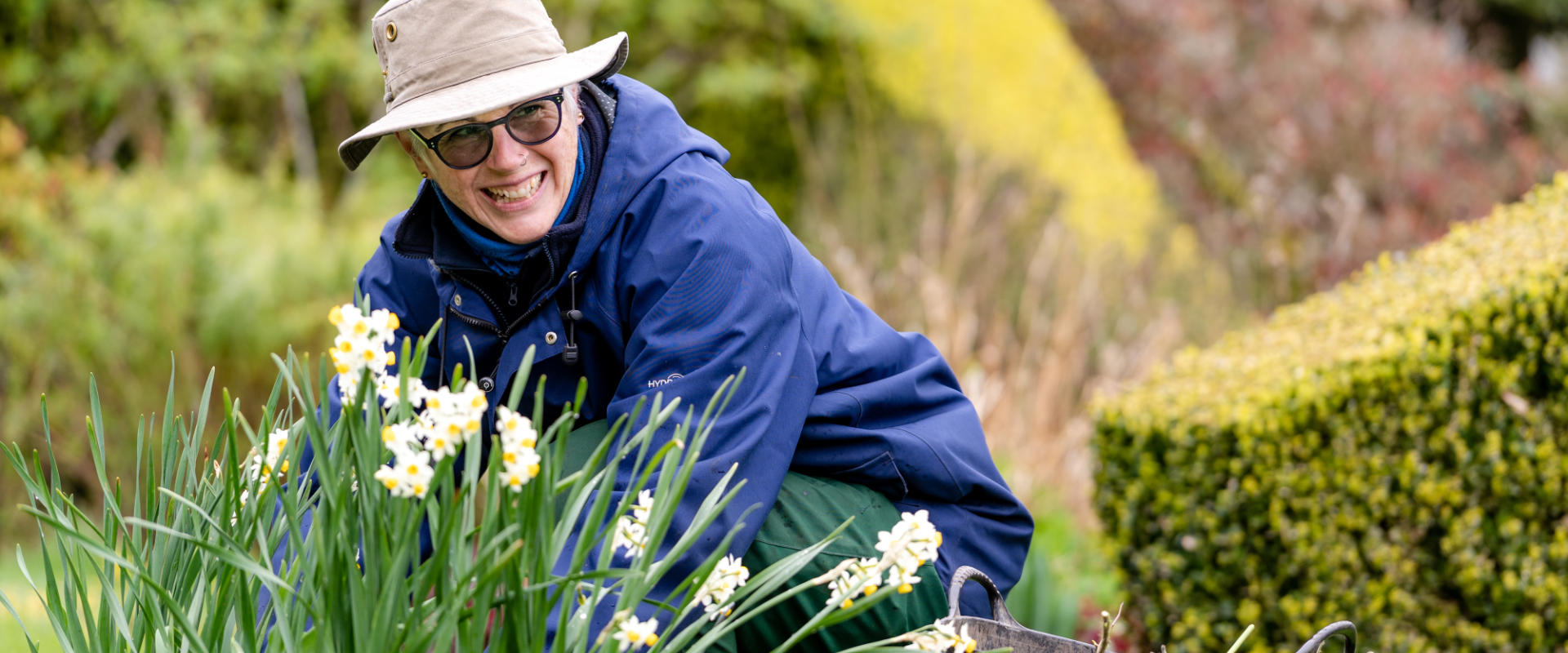
This work includes meadow restoration, hedgerow planting, tree planting, and low-impact grass management using grazing sheep. As habitats are improved, this will bring richer seasonal landscapes and greater opportunities to spot wildlife across the Estate.
Completed projects include the planting of 375 trees to extend Conduit Wood, supporting carbon absorption, habitat creation, and long-term biodiversity. The trees comprised a mix of hornbeam, English oak, field maple, sweet chestnut, small-leaved lime, wild cherry, walnut and rowan,
Nature & conservation FAQs
Hatfield Park includes historic parkland, woodland, farmland, gardens, and stretches of the River Lea.
The Estate’s nature improvement programme includes meadow restoration, hedgerow planting, tree planting, and low-impact grass management using grazing sheep.
Through our 2% For Nature initiative, each visit also supports the care and improvement of these natural spaces.
Along the River Lea, the Estate is exploring habitat restoration to support water voles, otters, kingfishers, and breeding fish. The farmland is also part of the Defra Countryside Stewardship scheme, which provides a great boost to all farmland birds.