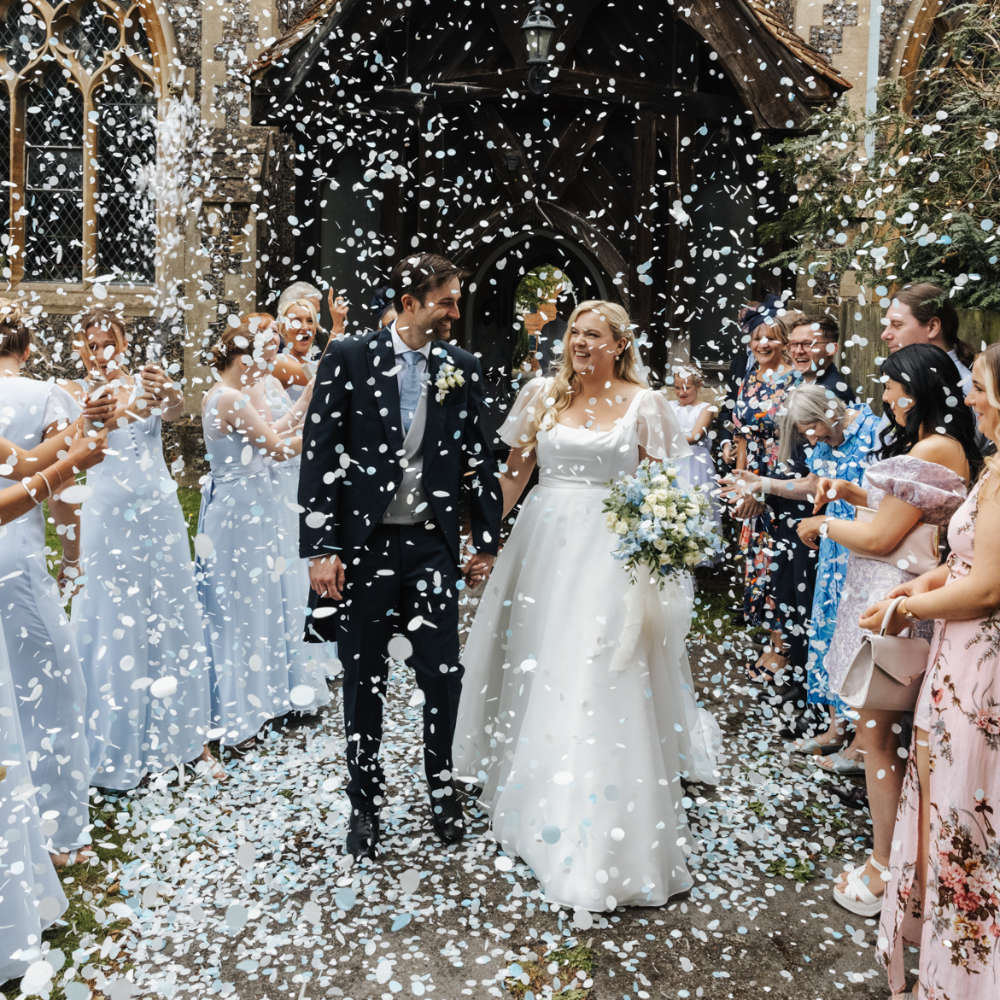
Understanding ‘Wedding Photography Styles’
When photographers describe their style, they often refer to a blend of elements, including their approach to shooting, lighting, and editing.
The shooting approach – how the photographer works with you and your guests on the day. Some photographers stay in the background and capture events as they unfold (called documentary or reportage style). Others give clear direction and build portraits more deliberately (also described as editorial or fashion-inspired photography). Many take a balanced approach, combining guided portraits with candid coverage.
The lighting approach – how a photographer uses light is an essential element of their overall style. Some rely mainly on natural daylight, which suits bright spaces and outdoor moments. Others use flash, either off-camera or on-camera, to keep images consistent indoors, in darker rooms, or later in the evening.
The editing style – how the final version of your photographs look once the photographer has adjusted colour and contrast. For example, true-to-life editing can keep colours natural and classic. Warm, moody or film-inspired editing, often includes gentle grain and softer highlights, creating a natural, and subtle finish.
As you explore wedding photography options, consider your personal style as a couple, your budget, the day’s schedule, your wedding’s colour scheme, and any wedding trends and ideas you would like to incorporate.
Also consider how you plan to display your wedding photography: framed prints, photo books, or online.
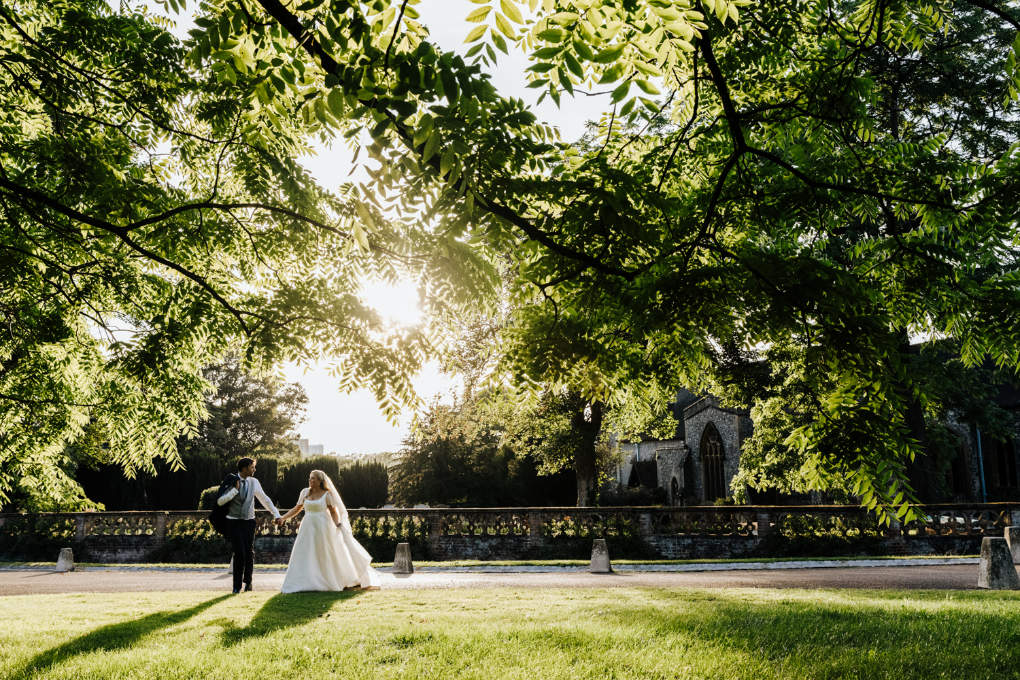
Photograph courtesy of www.emmahurleyphotography.com
Popular Wedding Photography Styles
Here is a simple breakdown of the main styles you’ll see when you’re researching photographers. It includes what each looks like, what it feels like, who it suits, what to watch for, and questions to ask your photographer.
Some wedding photographers work with a second photographer to make it easier to capture more than one style.
Traditional
What it looks like: Clean, well-composed portraits and group photos. Key moments are clearly documented, including walking down the aisle, rings, first kiss, speeches, and cake cutting. Images are typically evenly lit, carefully framed, and designed to feel timeless.
Overall tone: Polished and dependable, with a clear emphasis on formality and clarity.
Best for couples who… would like a definitive set of family photographs, classic couple portraits, and a structured record of key people and moments.
Considerations: This style requires time on the schedule, particularly for family groupings, to ensure the process flows well. Candid coverage could be reduced unless the photographer works in a hybrid manner.
Questions to ask your photographer:
- How long do you need for family photographs, and how do you keep them efficient?
- Will you help us compile a list of group photographs in advance?
- How do you keep portraits feeling natural, especially for camera-shy couples?
Hatfield Park’s grand interiors and architecture naturally complement classic portraits. The setting does much of the work, so you can achieve elegant imagery without anything overly staged.
Fine art
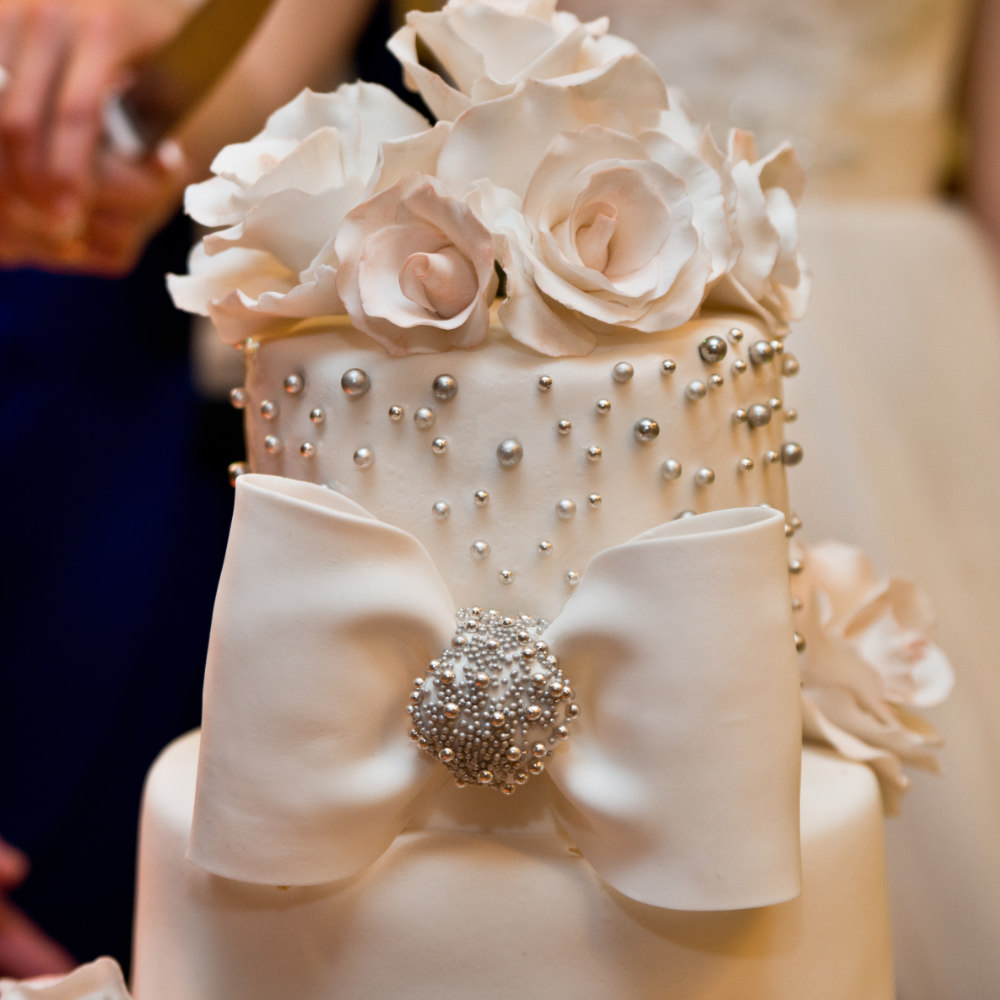
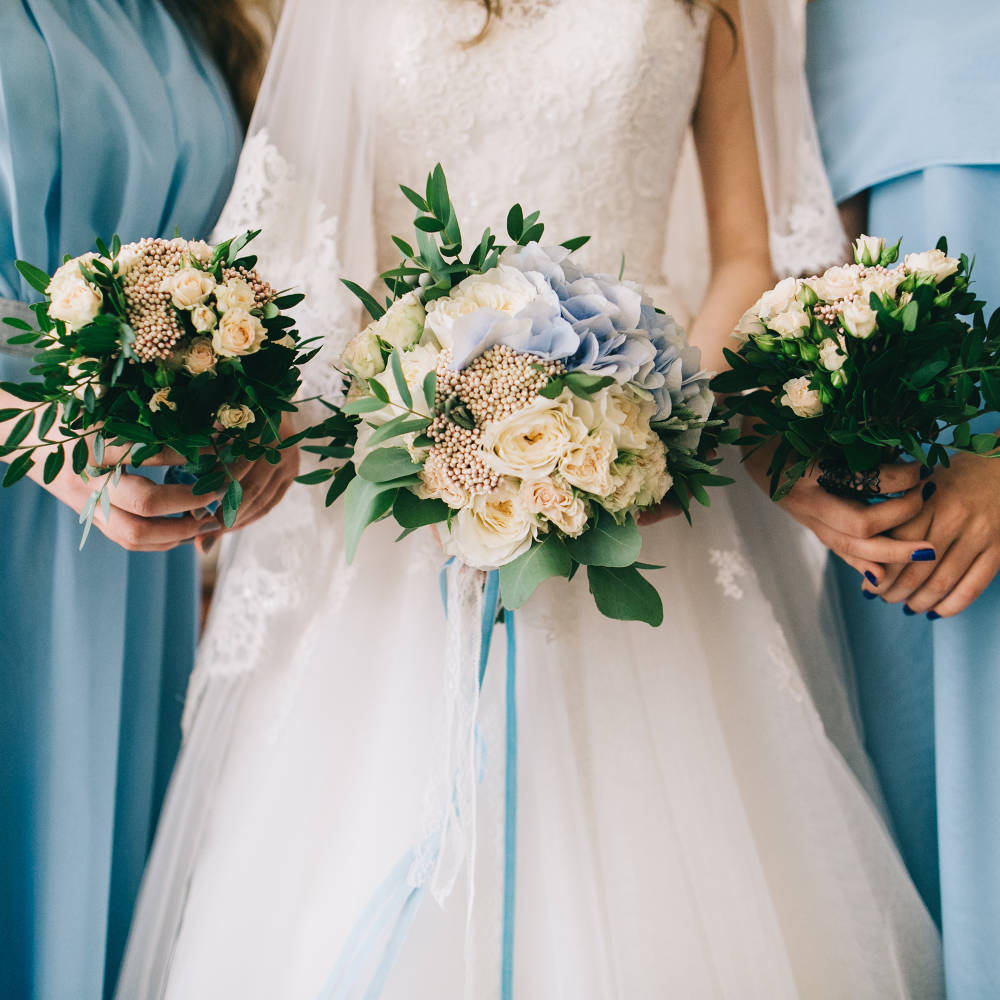
What it looks like: Fine art wedding photography often means soft light, careful composition, and subtle colour. Detail photography can be prominent, including stationery, florals, tablescapes, and considered close-ups.
Overall tone: Romantic and refined, with a gently curated finish.
Best for couples who… value aesthetics and want photographs that feel timeless, calm, and suitable for printing.
Considerations: Fine art imagery often benefits from flattering natural light. Consider how much candid coverage you will receive alongside styled portraits and details.
Questions to ask your photographer:
- How do you handle mixed lighting indoors while keeping your work consistent?
- Can we see full galleries from both day time and evening receptions?
- How do you balance details and portraits with natural moments?
Hatfield Park’s blend of elegant interiors and garden backdrops suits fine art beautifully, especially when you build in a little breathing room for portraits and detail photography.
Editorial or fashion-inspired
What it looks like: Strong posing, intentional angles, clean lines, and glossy magazine-style composition – as you might expect from a HELLO! or Tatler photo shoot. Often includes powerful full-length portraits and ‘walk and pose’ sequences.
Overall tone: Elevated and stylish, with a strong emphasis on statement portraits.
Best for couples who… enjoy direction, would like impactful portraits, and are happy to allocate time for set-up and composition.
Considerations: Editorial work takes time and direction. If you’re dreaming of this style, you’ll want to plan portrait timings around the best light. You’ll need to be comfortable with a hands-on photographer.
Questions to ask your photographer:
- How much portrait time do you recommend, and when would you schedule it?
- How do you help couples who are not used to posing?
- Can we see some examples, including portraits, group photographs, and reception coverage?
Editorial portraits look incredible against heritage architecture and formal gardens. Hatfield Park’s grand spaces give ‘fashion meets history’ energy without needing additional props or sets.
Light and airy
What it looks like: This style features bright whites, lifted shadows, and soft, pastel-leaning colour. It is often an editing treatment that the photographer applies across a collection of your photographs.
Overall tone: Fresh and gently romantic.
Best for couples who… love a bright, clean finish, particularly for spring and summer weddings, outdoor ceremonies, and light-filled receptions.
Considerations: As this style of photography is often an edit rather than a shooting method, you might decide how many of the photos you would like to be posed shots and how many to be candid pictures.
Questions to ask your photographer:
- How do you protect highlights in bright outdoor light?
- How do you approach low-light receptions while maintaining a consistent finish?
- Can we see indoor and evening examples in this style?
At Hatfield Park, the Riding School’s generous daylight supports a bright finish, while gardens and pale stonework can suit soft, luminous portraits.
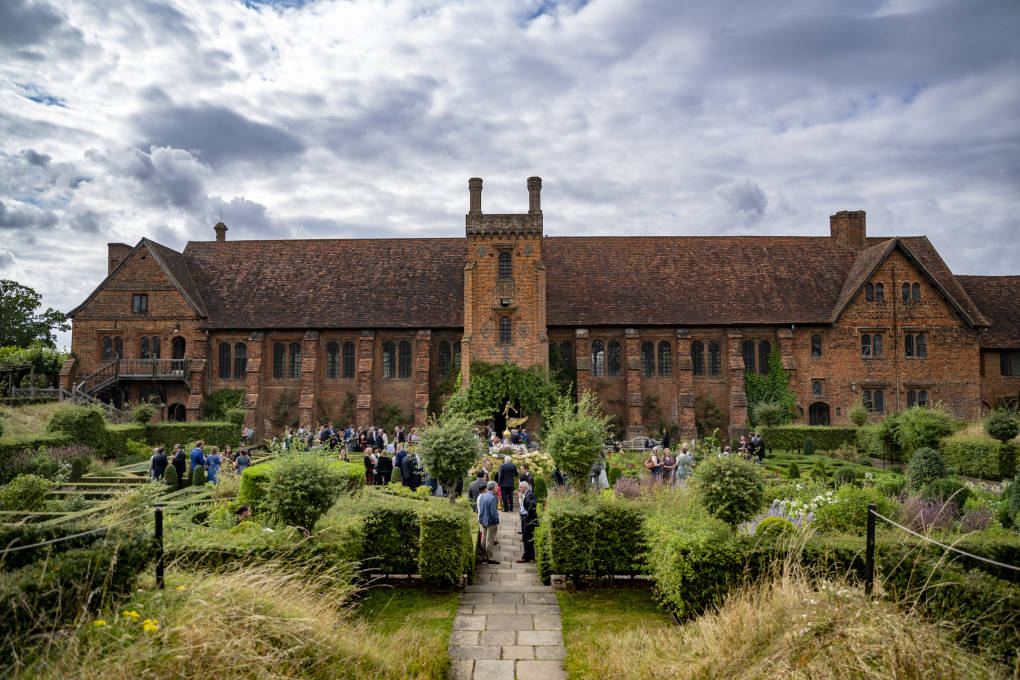
Photograph courtesy of ©Laura Hinski Photography
Documentary
What it looks like: Documentary-style wedding photography captures all those special moments as they happen. Candid, unposed images with real movement and expressions.
Overall tone: Natural, heartfelt and immersive – like you are stepping back into the day.
Best for couples who… prefer to be present with their guests, and value natural storytelling over posed photography.
Considerations: You may get fewer highly-styled portraits, and if you don’t plan time for couple photos or family groups, those parts can feel rushed. A strong documentary photographer will manage this efficiently.
Questions to ask your photographer:
- How do you organise family portraits while keeping the day flowing?
- How do you work in low light during the ceremony and reception?
- Can we see a few galleries with similar guest numbers and schedules?
In an historic venue such as Hatfield Park, documentary coverage can bring a sense of life and movement to heritage settings, from garden paths to characterful interiors.
Dark and moody
What it looks like: This style of photography typically features deeper shadows, richer contrast, and warmth. The effect depends on both lighting choices and editing.
Overall tone: Atmospheric, dramatic, and often cinematic.
Best for couples who… prefer an intense, refined look and are drawn to candlelight, winter palettes, or evening-led celebrations.
Considerations: This style is heavily dependent on both lighting and editing. If a photographer relies on darkness to create a mood, some images can lose detail, especially in faces.
Questions to ask your photographer:
- How do you preserve a natural feel to photographs within a darker edit?
- Can we see daylight and evening galleries for comparison?
- How do you manage mixed indoor lighting?
Heritage interiors and evening or winter skies at Hatfield Park can add depth and atmosphere, provided the photographer balances drama with clarity.
Film or film-inspired
What it looks like: Soft highlight roll-off, organic grain, gentle colour, and a nostalgic, real feel. Actual film (35mm/medium format) has a distinctive texture that’s hard to replicate perfectly, though digital film-inspired presets can be close.
Overall tone: Timeless, tactile, sentimental – as if your photos already belong in an album.
Best for couples who… love the classic aesthetic of photography, enjoy a softer finish, and prioritise prints and albums.
Considerations: Film can be less forgiving in low light and fast movement, so many photographers use a hybrid approach, combining film and digital photographs across the day. Film needs to be developed, so it may mean a longer delivery time for your images.
Questions to ask your photographer:
- Do you shoot film, apply film-inspired edits, or offer both?
- If you shoot film, what is the timeline for scans and final delivery?
- How do you decide which parts of the day are captured on film?
In a setting such as Hatfield Park, natural light and historic textures suit classic film photography beautifully.
Black and white
What it looks like: Black-and-white photography removes colour, drawing the eye to light, shadow, texture, and expression. It can be particularly striking for ceremony portraits and quiet, emotional moments.
Overall tone: Classic, emotional, cinematic – often more impactful for tears and laughter.
Best for couples who… would like a classic alternative or complement to colour imagery, especially for portraits, ceremonies, and the most meaningful moments of the day.
Considerations: Colour-led details such as florals, styling, and sunsets will not translate in the same way, so consider a mix of colour and black-and-white photographs. Many photographers use black and white selectively, for emotional emphasis.
Questions to ask your photographer:
- What proportion of the final gallery do you typically deliver in black and white?
- Can we request specific moments in black and white?
- How do you convert colour images?
Historic interiors often suit black and white particularly well. At Hatfield Park, strong lines and textured surfaces can produce photographs with depth and character.
Direct flash or ‘party flash’
What it looks like: Direct flash uses on-camera flash to create bright, high-contrast photographs – often close-up, energetic, and slightly chaotic in a fun way. Sometimes, a slight blur can enhance the sense of movement – like paparazzi shots from the dancefloor.
Overall tone: Lively, modern, and celebratory.
Best suited to couples who… would like energetic evening photographs and a contemporary look that captures the pace of the evening reception or party.
Considerations: This style is often best reserved for the evening, rather than formal portraits. Consider how these photos will sit as a set along with the rest of your pictures.
Questions to ask your photographer:
- How do you use flash during the reception, and how do you keep the photographs natural?
- Do you combine flash photographs with other images for balance?
- Can we see a full reception gallery that includes this style of photography?
In a historic setting such as Hatfield Park, the range of both modern and historic spaces provides a wide variety of settings for effective flash photography.
Cinematic / Dramatic
What it looks like: Cinematic photography often uses wide compositions, strong scenery, silhouettes, and natural movement, with careful attention to scale and light.
Overall tone: Grand and visually distinctive.
Best suited to couples who… love landscape and architecture, want a sense of scale, and are happy to step away for a short portrait window.
Considerations: Timing can be significant, so if you would like ‘golden hour’ portraits, you will need to protect time in the schedule.
Questions to ask your photographer:
- How do you plan for outdoor photographs, and what is your approach if the weather changes?
- What options do you recommend for dramatic portraits?
- Can we see examples across different wedding styles and lighting conditions?
Parkland views and historic exteriors at Hatfield Park create excellent opportunities for cinematic imagery. Our elegant setting can accommodate both indoor and outdoor photography for your wedding.
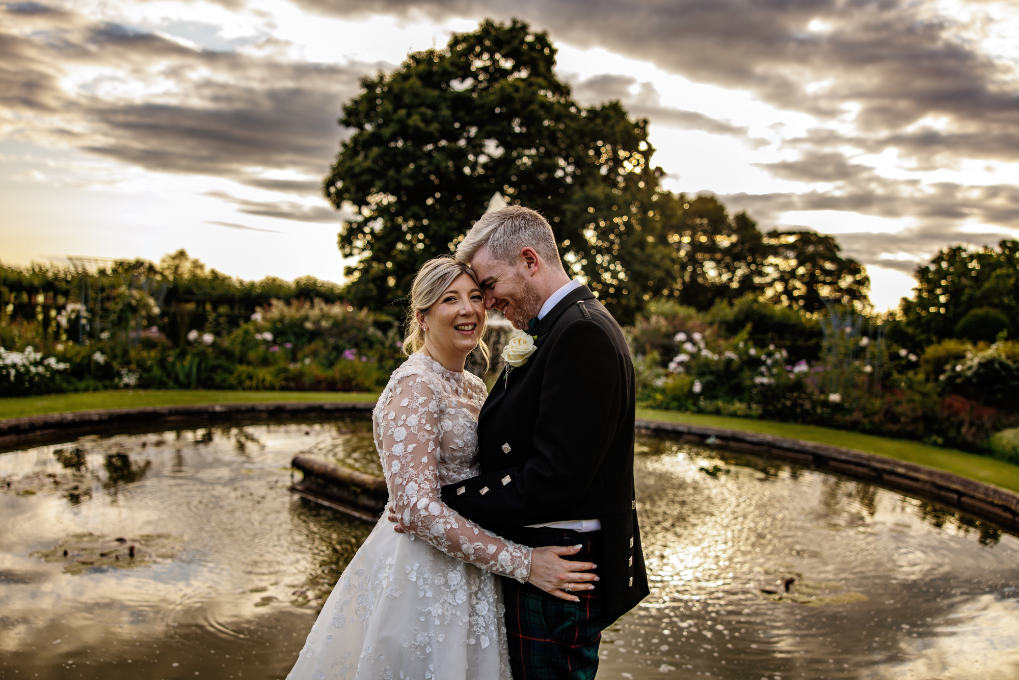
Photograph courtesy of Rafe Abrook Wedding Photography
How to Choose Your Style
A helpful way to compare wedding photography styles is to begin with your comfort level in front of the camera and your priorities for the day. For instance, if you prefer minimal posing, a documentary style could suit you best. If family formals matter most, traditional or classic coverage could provide the structure you need for your wedding gallery.
Another practical method is to select your top three priorities:
- Candid moments throughout the day
- Flattering couple portraits with guidance
- Efficient, well‑organised group photos
- Details and styling captured beautifully
- Clear reception photographs in low light settings
- Faster turnaround or heirloom album quality
Questions to Ask Before You Book a Wedding Photographer
Before you confirm your booking with your potential photographer, consider asking them the following:
- Can we see two or three galleries from similar weddings?
- How do you handle group shots quickly while keeping guests comfortable?
- How much direction do you give during portrait photography?
- Do you work with a second photographer, and do you recommend adding one?
- What are your usual timelines? Do you offer previews, and when would we receive our full wedding gallery?
- How do we receive images, and do we own the rights to them?
- How do you plan for weather changes or a tight schedule?
- Do you have experience working in both historic and modern venues, and outdoor settings?
Your Wedding Photography at Hatfield Park
The best approach for your wedding photography is often the one that reflects your style, priorities and setting. However, understanding more about the wide range of styles available could help you ask the right questions and book a wedding photographer who understands your unique vision.
Hatfield Park offers multiple wedding spaces in one location, from historic interiors to exquisite gardens and parkland, which enables variety without extensive travel time.
There are daylight-friendly spaces that suit natural, fine art, and true-to-life styles particularly well, and offer flexibility if the weather turns.
Our experienced team can support couples and coordinate with suppliers to help the day run smoothly, including portrait timings and key photographic moments.
Contact our wedding team to explore our venue options, or download our wedding brochure.